Battery Inverter Chargers
In AC coupled off-grid systems, the battery inverter/charger is the heart and brains of the system. Its primary job is to supply ‘pure sine wave’ AC power, and it must be able to meet the power requirements of the appliances under all conditions.
In addition, the inverter/charger regulates the battery charging and monitors energy flow from all other sources such as solar, wind, hydro or backup generators. Below is more detail about selecting the best inverter chargers.
The battery inverter/charger should be adequately sized and designed to power appliances such as water pumps, fridge compressors and air-conditioning units which require very high surge (peak) power during start-up. This is where many cheaper inverters can fail.
If multiple appliances are running at the same time then the inverter must also be able to supply continuous power under all conditions including higher temperatures, so must be sized correctly to account for temperature de-rating. Again, this is where cheaper (transformer less) inverters can often trip, especially during high summer temperatures.

Designing An Energy Storage Or Stand-Alone Solar Power System
- Estimate the loads – how much energy is required per day in kWh. For off-grid power systems, a load table should be developed for both summer and winter requirements. The maximum demand or peak demand also needs to be considered when selecting the battery and inverter/charger.
- Determine the battery size required in Ah or Wh. You need to take into account the battery type and chemistry, maximum depth of discharge (DoD), round-trip (charging) efficiency and maximum charge rate.
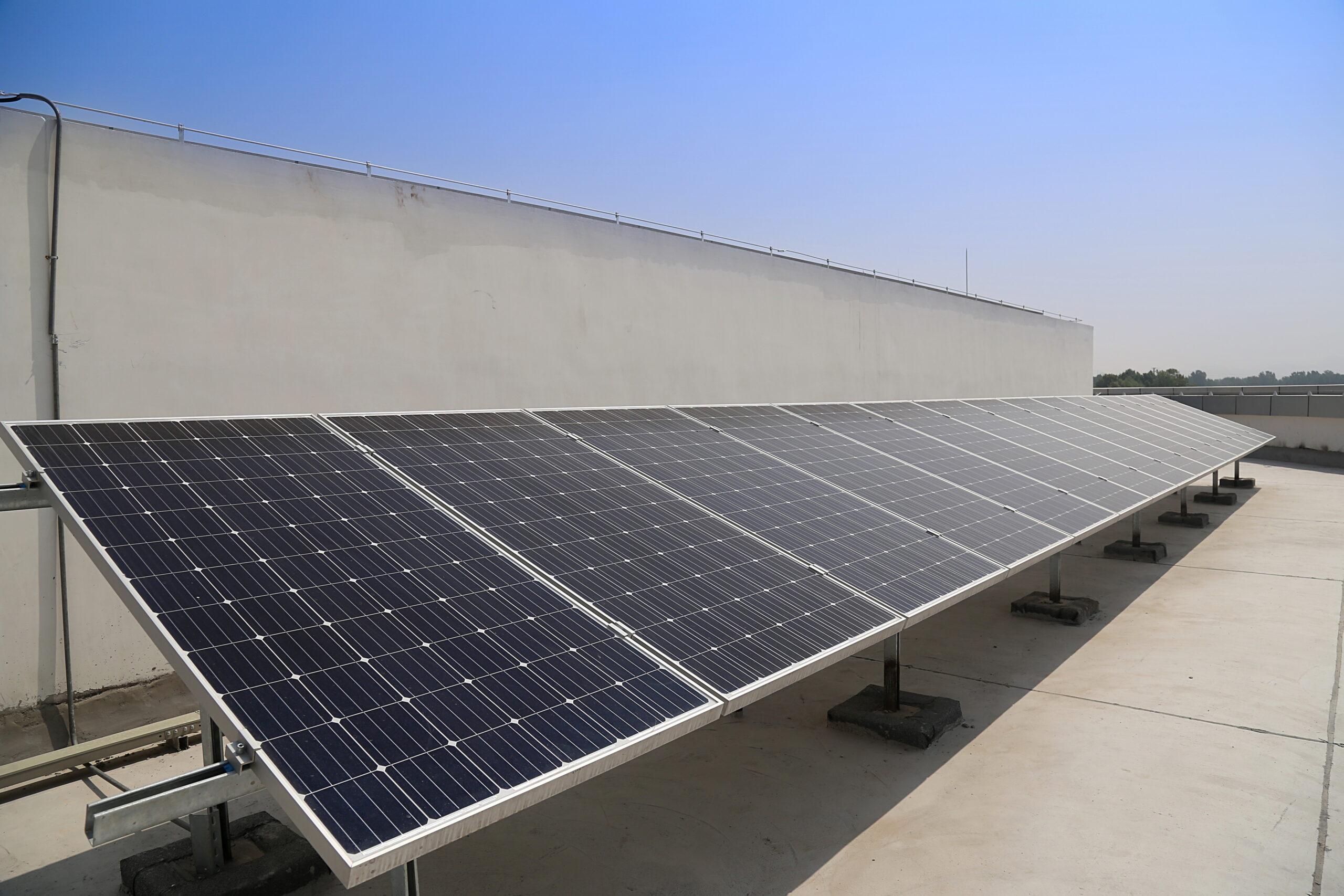
- Determine how many solar panel/s are required to charge the battery and supply the loads taking into account the local conditions such as – average irradiance throughout the year, shading issues, panel orientation, and temperature derating factors.
- After steps 1 to 3 have been established you can now select the appropriate Inverter/charger, solar inverter/s or MPPT Solar Charge Controller/s to suit the system.