Hybrid Solar System
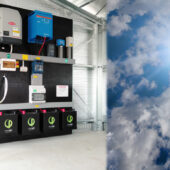
Hybrid solar systems enable you to store solar energy and use it when you’re home during the evening when the cost of electricity is typically at the peak rate.
The ability to store and use your solar energy when desired is referred to as self-use or self-consumption. It works in the same way as an off-grid power system but the battery capacity required is far less, usually just enough to cover peak consumption (8 hours or less) as opposed to 3-5 days with a typical off-grid system.
Advantages
- Allows you to store excess solar or low cost (off-peak) electricity.
- Allows use of stored solar energy during peak evening times (known as self-use or load-shifting)
- Most hybrid inverters have backup power capability.
- Reduces power consumption from the grid (reduced demand)
- Enables advanced energy management (ie. peak shaving)
Disadvantages
- Higher cost. Mainly due to the high cost of batteries.
- Longer payback time – Higher return on investment
- More complex installation requires more room and higher install cost.
- Battery life of 7-15 years.
- Backup power may limit how many appliances you can run at the same time (depending on the type of hybrid inverter and its capability)