Solar Power UPS & Generator
Solar Energy
It’s Free : Sun light contains many energies within such as heat, light etc. Solar power is generated by solar PV panels using light energy of Sun. Solar Energy is the most readily available source of Energy In tropical countries like India Sunlight is available at least 320 days a year. Moreover solar PV panels are capable to generate at least 20% energy in dim sunlight like cloudy and rainy days.
Sun also the most Important & largest of Non-Conventional Resources of Energy Conventionally not much attention was paid to utilize sun energy as fossil fuel availability was more at cheaper price. With time we have understood that the fossil fuel reserve is limited and it is creating damage to environment at every stage. Also Solar energy is the most reliable energy source.
Highly Efficient System On good solar Intensity day 3-5 kWh per 1KW solar panel is produced per day. Long term Power Production. Solar power plants has no moving parts or combustion process. The structure is robust ,lasts long. Solar power is long term Energy revenue Generator.
Eco friendly Power No Green House Gas Emissions. Other power production technics doesn’t even come closer to Solar power production process when it comes environment protection.
Solar Roof Top Systems
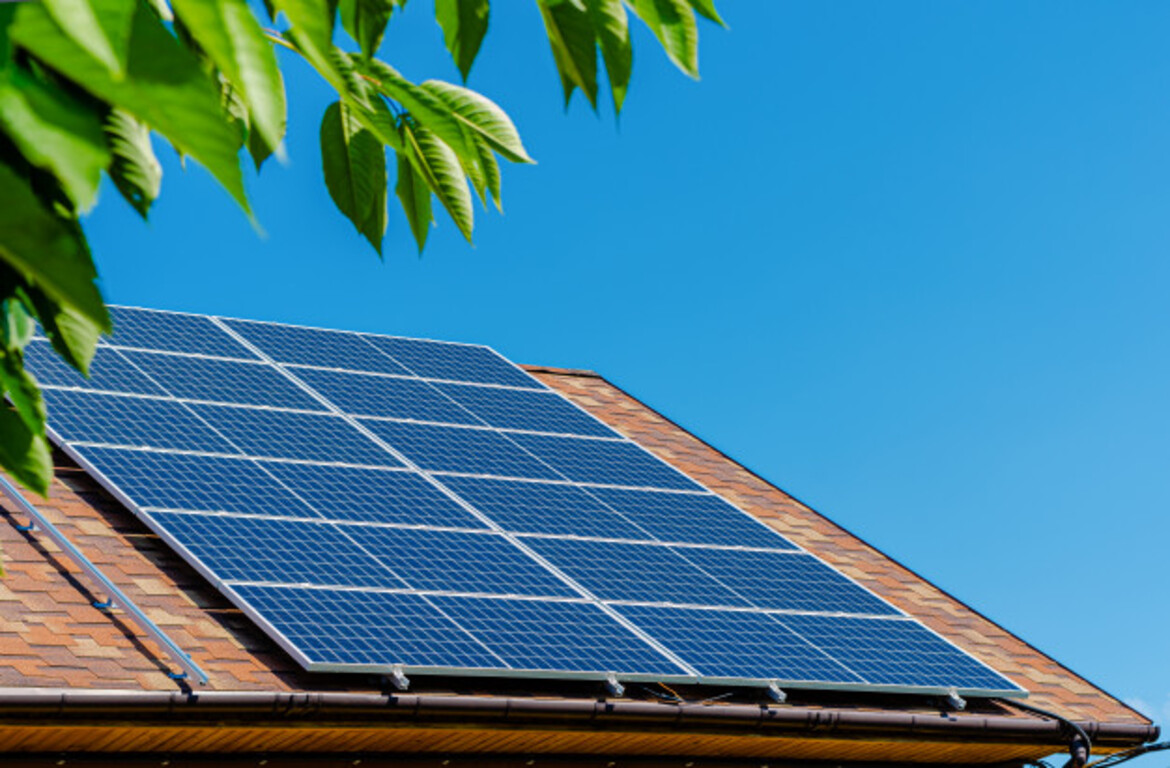
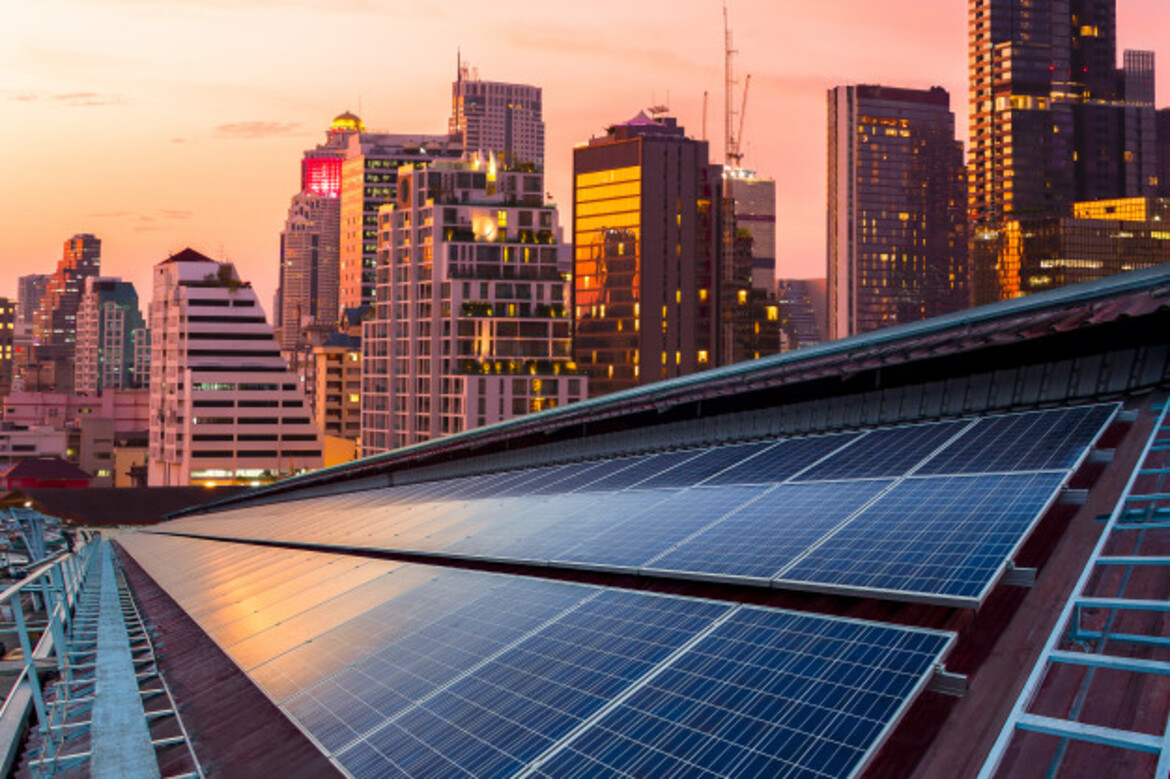
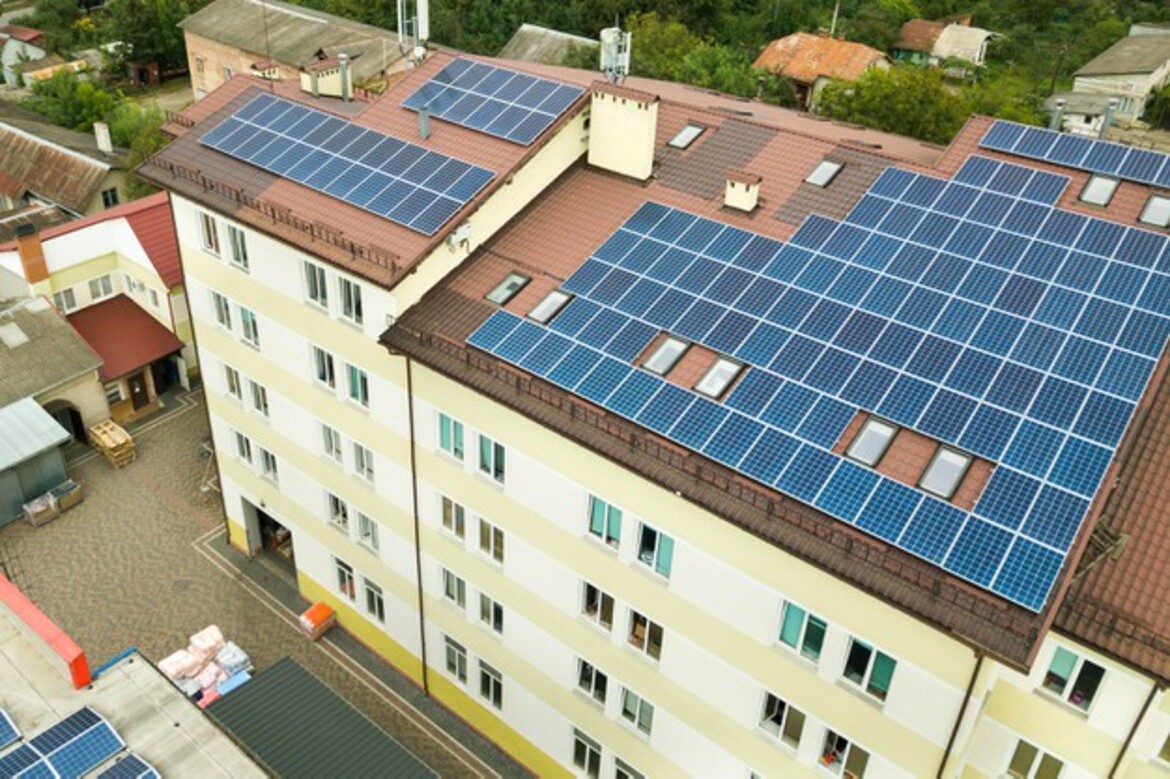
Rooftop Solar systems can be installed on the roofs of residential, industrial and commercial complexes, housing societies, educational institutes, community centers, government organizations, private institutions etc. The solar panels can also be installed on ground, terraces and on parking sheds too. No additional FSI is utilized.
Due to solar PV panels array on roof, roof remains cooler and in turn the temperature of the floor below gets reduced by a degree Celsius, thereby reducing the load on the air conditioning equipment and saving electricity.
Further, if solar PV panels are installed on raised fabrication structure (super structure), a spare hall is created on the roof without consuming any FSI.
The solar power plants are designed depending on annual power consumption of the client; keeping in mind seasonal & weather changes and also the available sunny days. The plant is designed such that the utility bills can be reduced to almost zero (except demand charges and D zone electricity usage in case of TOD: Time of Day meter.)
The payback period for Solar Power Plant is typically 3 to 7 years. (Depending upon utility charges)
The solar Power Generation is Government approved, in fact, more encouraged. The solar power approvals are given by MNRE (Ministry of New and Renewable Energy, Govt. of India).
Being Government encouraged, For commercial complexes and industrial units, there are provisions of (@40%) accelerated depreciation benefit and 10 year tax holiday for income from rooftop power plants.
- No extra FSI consumed, Maximum Utilizations of unused roof
- Lowest Pay-back period (3-7 Years)
- Government of India (MNRE) approved
- Solar panel structure on roof reduces the temperature of the rooms below
- Roof top solar resolves water proofing issues
- Easy finance options from Nationalized banks
- 40 % Depreciation approved by Govt of India Benefit in Saving in Income Tax for Industries and Commercial Sector
- Low interest Loans – Loans from various financial institutes concessional interest rate
- No Battery Maintenance
- Five Years Warranty for Grid Inverter & 25 Years for Solar PV modules**
- It can be installed quickly.
- It has almost zero noise.
- It requires very little maintenance.
- It’s efficient. The electricity it produces is used where it’s needed: on-site or by the grid; meeting an immediate electricity need.
- No need for costly transmission infrastructure.
- Photovoltaic technology is field proven for more than 20 years in performance and availability.
- Solar irradiation is highly predictable in India.
- Creates a relatively easy way to enter the renewable energy market for a unique power-generating opportunity for a long period of time.
On Grid Solar Power System
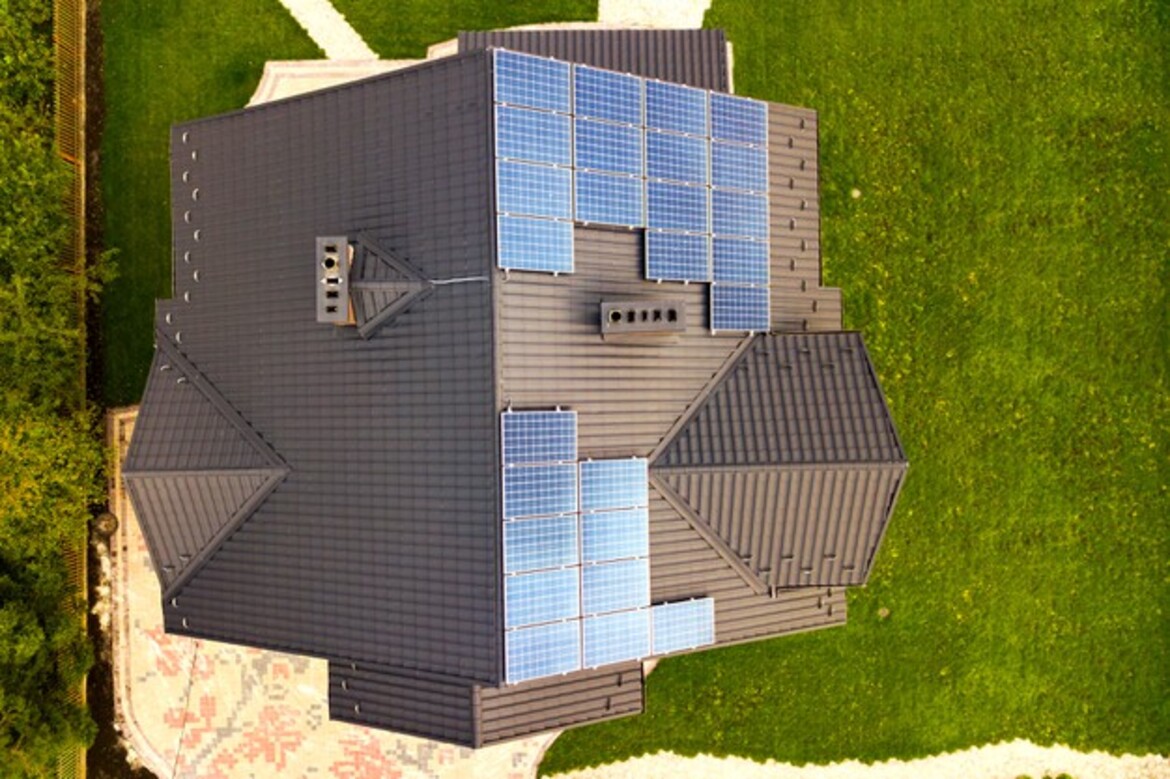
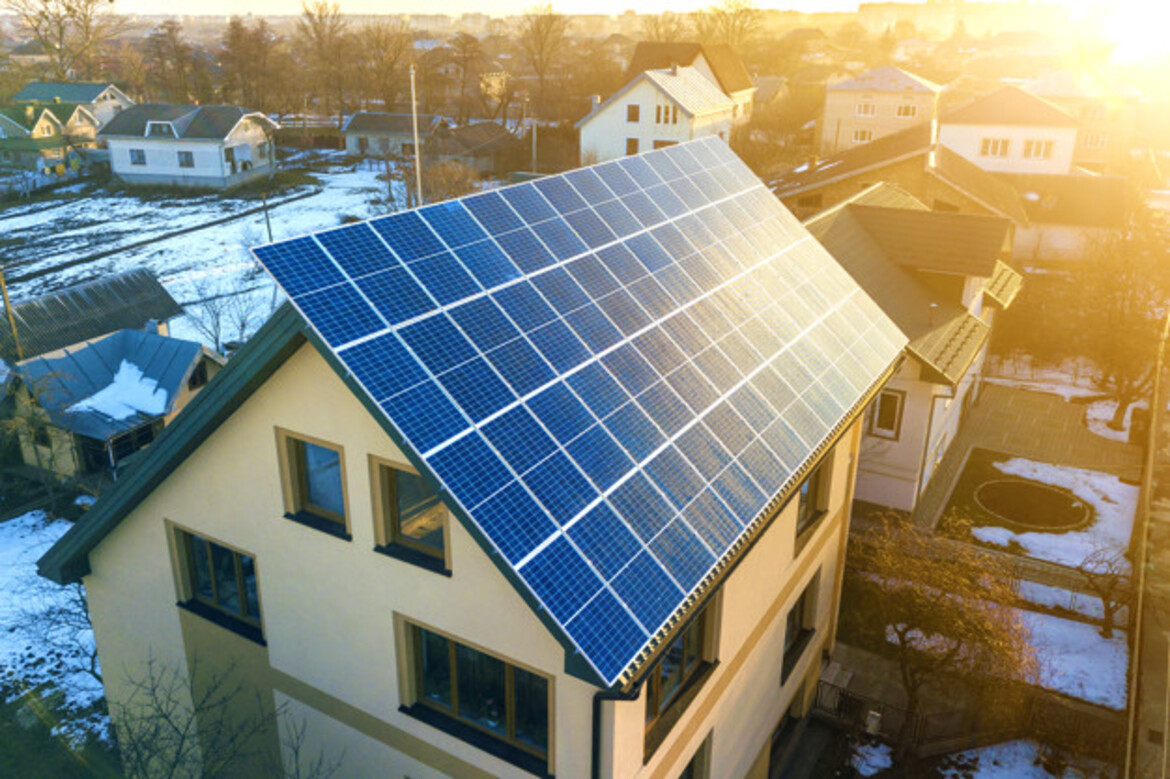
On Grid Solar Power Solution is also knowns as Grid Tied Solar PV System. In On-Grid Power Generation, Solar Photo Voltaic (SPV) panel produces DC power, this DC power is converted to AC power in Inverter and is fed to consumer load. When the production / Generation is more than need, excess power is fed to grid through net meter.
Similarly, when demand is more than generation power is taken from grid through net meter. This way net meter keeps record of power fed to grid as well as power consumed from grid.
The solar power plants are designed keeping in mind these seasonal & weather changes also the annual power consumption of the client. Available sunny days data is used to design the plant such that the utility bills can be reduced to almost zero
The average cost specified by MNRE (Ministry of New and Renewable Energy, Govt. of India) for standard On- grid rooftop solar system is Rs.75 per watt. As the plant size increases the costs gets reduced substantially, even below Rs.50 per watt.
The payback period for Solar Power Plant is typically 3 to 7 years. (Depending upon utility charges)
On-Grid power generation is always preferred as it gives good returns on investment. PRISM recommends on-grid solar power solution to almost every application. Residential consumer, society common utility consumption, industrial used, hospitals, schools and education institutions, finance institutions, etc.
What is the difference between On-grid and off-grid solar power?
On-grid means your solar system is tied to your local utility’s GRID. This is what most residential homes will use because you are covered if your solar system under or over-produces in regard to your varying energy needs. All this means for you is that your utility system acts as your battery space.
If you are producing more energy with your solar panels or system than you are using, the excess energy is sent to your grid’s power company, allowing you to build credit that you can cash out with at the end of the year, in a process called net metering. Being grid-tied is beneficial because you don’t have to buy an expensive battery back-up system to store any excess energy. Being off-grid means you are not connected in any way to your grid’s power system or utility company.
This is appealing because you are 100% self-sustaining your energy use. However, there are disadvantages because off-grid systems require you to purchase back-up battery which can be expensive, bulky, and not very environmentally friendly which defeats the purpose of going solar (save money and live greener).
NET METERING Provision of net metering arrangement to the consumer, who intends to install grid connected rooftop solar system, in its area of supply on non-discriminatory and first come first serve basis . The cumulative capacity to be allowed at a particular distribution transformer shall not exceed 15% of the peak capacity of the distribution transformer.
Eligible Consumer and individual project capacity All eligible consumers of electricity in the area of supply of the distribution licensee can participate in the solar rooftop ne metering arrangement. Maximum rooftop solar system capacity to be installed at any eligible consumer shall be between 1KWp to 1000 KWp (1MWp). A variation in the rated capacity of the system within a range of 5% is allowed.